Wilson, KS 67490
24/7 Customer Support
Online store always open
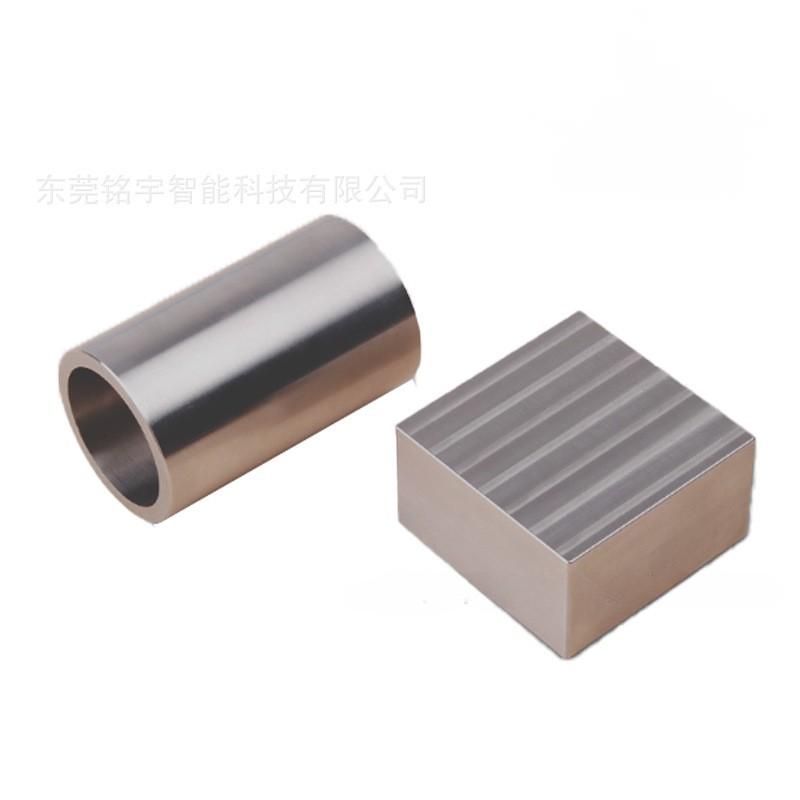
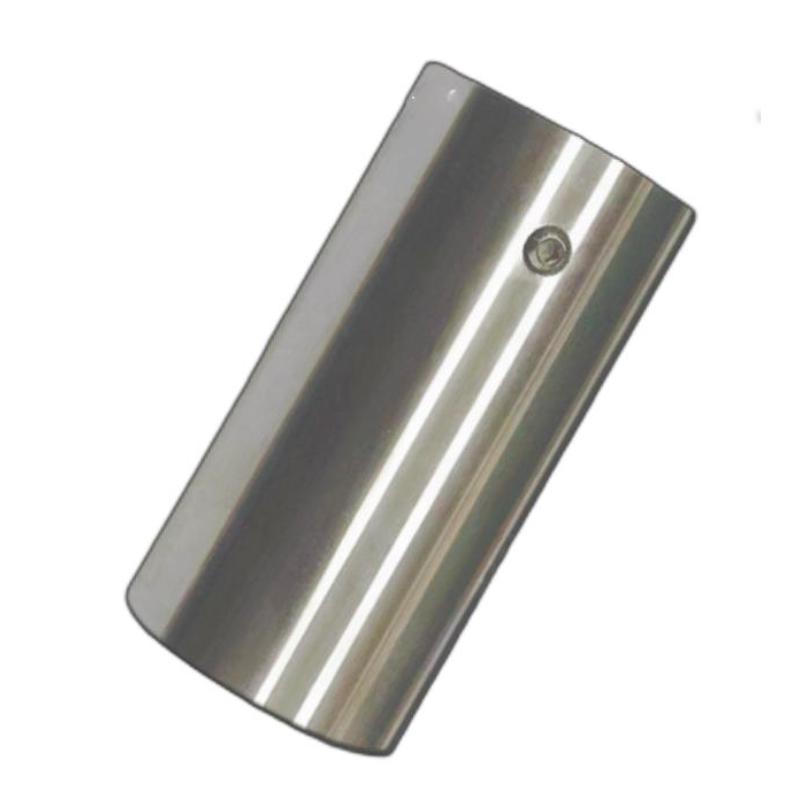
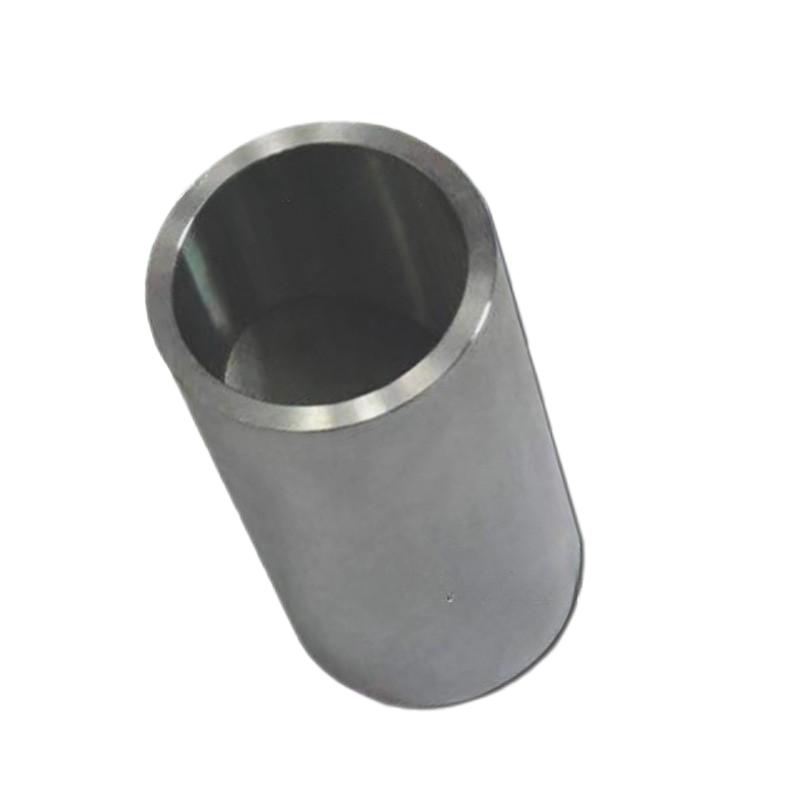
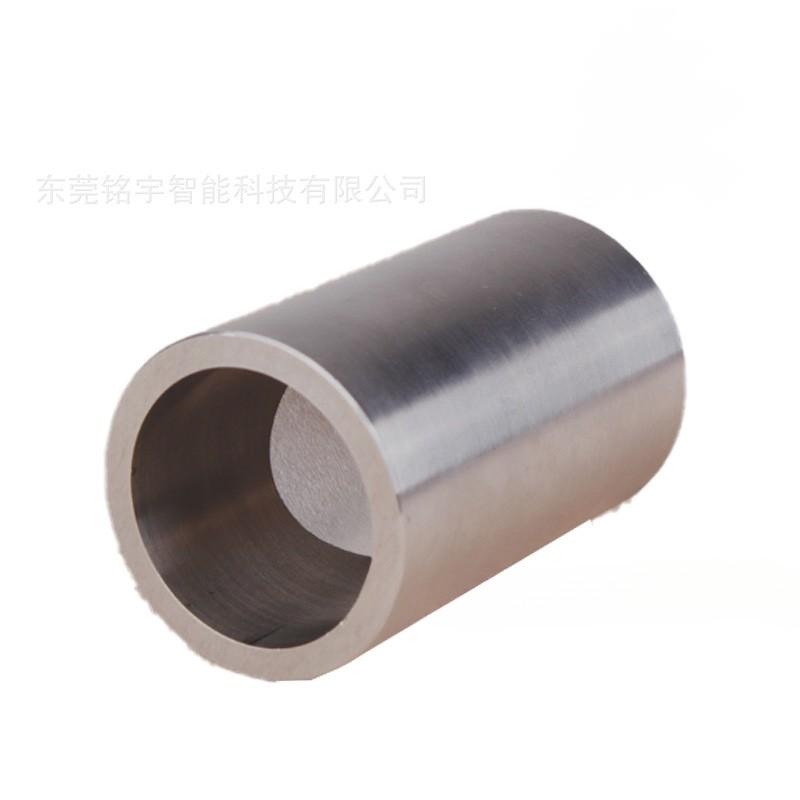
| Material | stainless steel |
|---|---|
| weight | 438g |
| size | 41×41×66 mm; |
| Brand Name | Wecantester |
| Place of Origin | |
| Standards | US 16CFR1500.48/ASTMF963 4.8/EU EN-71/China GB 6675. Hasbro (made to order) |
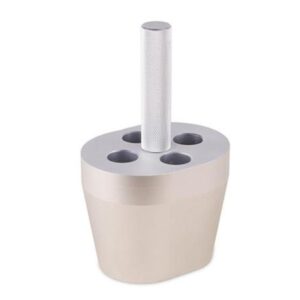
Purpose: Used to simulate the throat of children under 3 years old, to assess whether the toy has the danger of suffocation caused by swallowing objects by children after use and reasonable abuse.
Compliant with standards: US 16CFR1500.48/ASTMF963 4.8/EU EN-71/China GB 6675. Hasbro (made to order).
standard regulation:
1. Toys used by children under the age of three shall not be designed with detachable small objects. Of course, there can be non-removable small parts, the key is how to connect the small parts to the main body of the toy, so that it does not fall off during the normal use test and reasonable abuse test.
2. Toys used by children between the ages of three and eight are recommended to list warning instructions regardless of whether they are designed with small objects.
How to use and determine:
1. In the absence of external pressure, put the dismantled or fallen off parts of toys played by children under the age of 3 into the small object tester. Judgment: If this part is regarded as a small object;
2. In view of the fact that the foam plastic is easy to break and produce small objects, it is recommended that toys suitable for children under 3 years old should not be packaged in foam plastic;
3. Especially the accessories on toys, although they can improve the attractiveness of toys, there are often small objects;
4. The understanding of toy fragments: the overflow edge of the plastic edge of the toy, and any parts that fall off during the test process are toy fragments.
5. Understanding of wooden knots in wooden toys: Due to the existence of natural wooden knots in wooden toys, in general, wooden knots are easier to fall off than other non-wood knots, and must be assessed. Since wooden knots exist naturally, not every toy has wooden knots, so in the inspection of wooden toys, the rationality of sampling and inspection should be fully considered.
6. Small object tests include parts that fall off during normal use and reasonably foreseeable abuse tests.
7. Before the small object test, you must first understand the definition of detachable parts, carry out the detachable test of the components, disassemble all the detachable parts, and then carry out the small object test on the disassembled parts.
technical parameter:
Volume: 41×41×66 mm;
Weight: 438 g;
Material: Stainless steel.