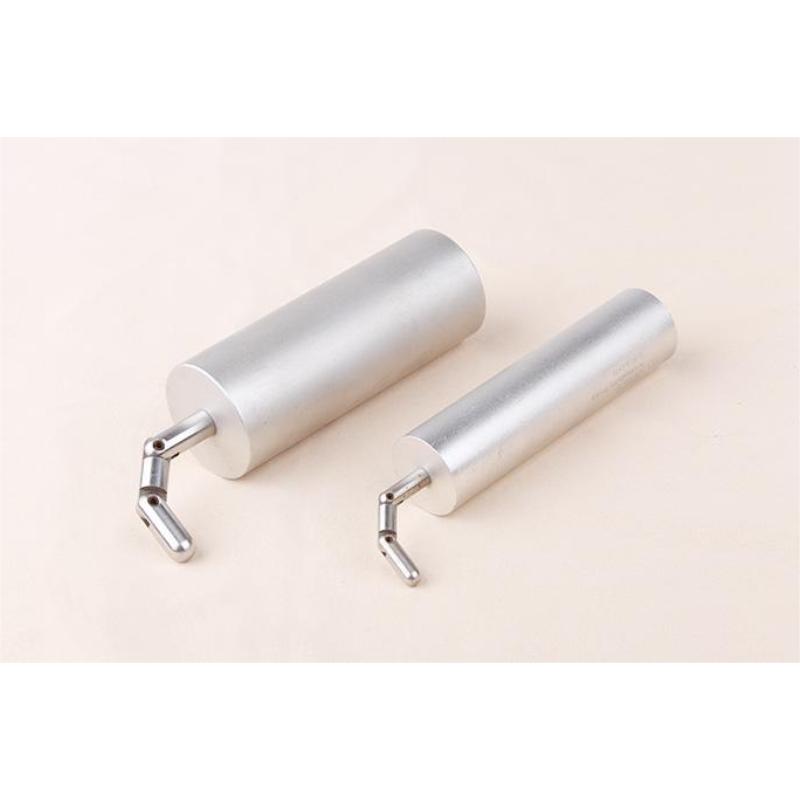
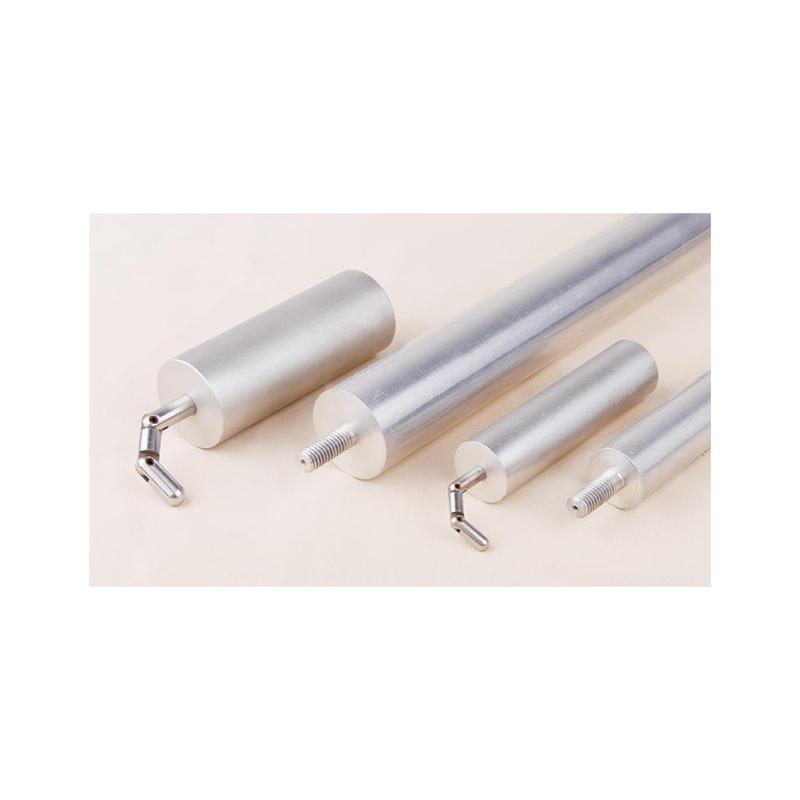
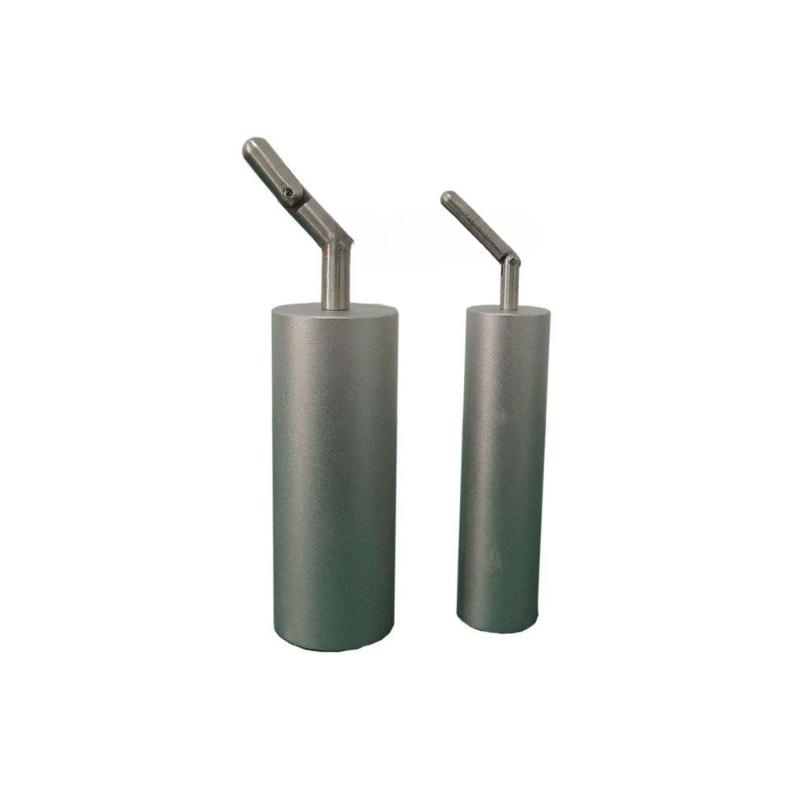
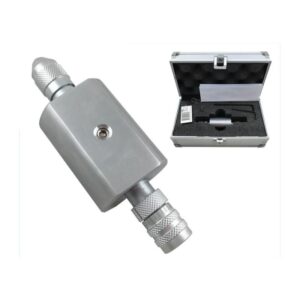
Uses: Imitation of children’s fingers, used to assess whether touching surfaces or accessories of toys (points and faces of toys) may pose a hazard. There are two types of AB,
A refers to toys intended for children under 3 years old, and B refers to toys intended for children over 3 years old.
use
1. Extend the articulated accessible probes to the tested part or component of the toy in any way, and rotate each probe by 90° to simulate the movement of the finger joints.
Decision: A part or part of a toy is considered accessible if any part before its shoulder can come into contact with that part or part.
2. The original meaning of accessible refers to whether any part of the body of children of different ages can touch any part of the toy, and any part of the child’s body
The reach of the fingers is the largest, so the reachability test is carried out with children’s simulated fingers.
3. Before the test, the removable parts on the toy or the parts intended for removal should be removed first, and then the accessibility test should be carried out.
4. In the reachability test, the simulated finger bending should ensure that it touches as much as possible any part of the toy.